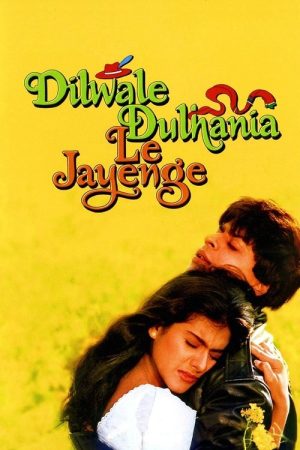
Dilwale Dulhania Le Jayenge
Raj is a rich, carefree, happy-go-lucky second generation NRI. Simran is the daughter of Chaudhary Baldev Singh, who in spite of being an NRI is very strict about adherence to Indian values. Simran has left for India to be married to her childhood fiancé. Raj leaves for India with a mission at his hands, to claim his lady love under the noses of her whole family. Thus begins a saga.






Where to watch


HYPETV Review
*Dilwale Dulhania Le Jayenge* (DDLJ) isn't just a film; it's a cultural cornerstone, a cinematic phenomenon that redefined romance for a generation. Aditya Chopra's 1995 directorial debut, clocking in at a substantial 190 minutes, meticulously crafts a narrative that, despite its familiar beats, manages to feel both epic and intimately personal.
The film's core strength lies in its irresistible charm, largely propelled by the incandescent chemistry between Shah Rukh Khan’s Raj and Kajol’s Simran. Raj, the "carefree, happy-go-lucky second-generation NRI," embodies a playful rebellion, while Simran, the dutiful daughter bound by her father’s strict "Indian values," offers a compelling counterpoint. Their initial European escapades, while lighthearted, subtly lay the groundwork for Simran’s burgeoning independence and Raj’s surprising depth. The narrative truly shines in its second half, as Raj embarks on his "mission to claim his lady love under the noses of her whole family." This transition from a breezy romance to a high-stakes, family-centric drama is expertly handled, maintaining tension without sacrificing the film's inherent warmth.
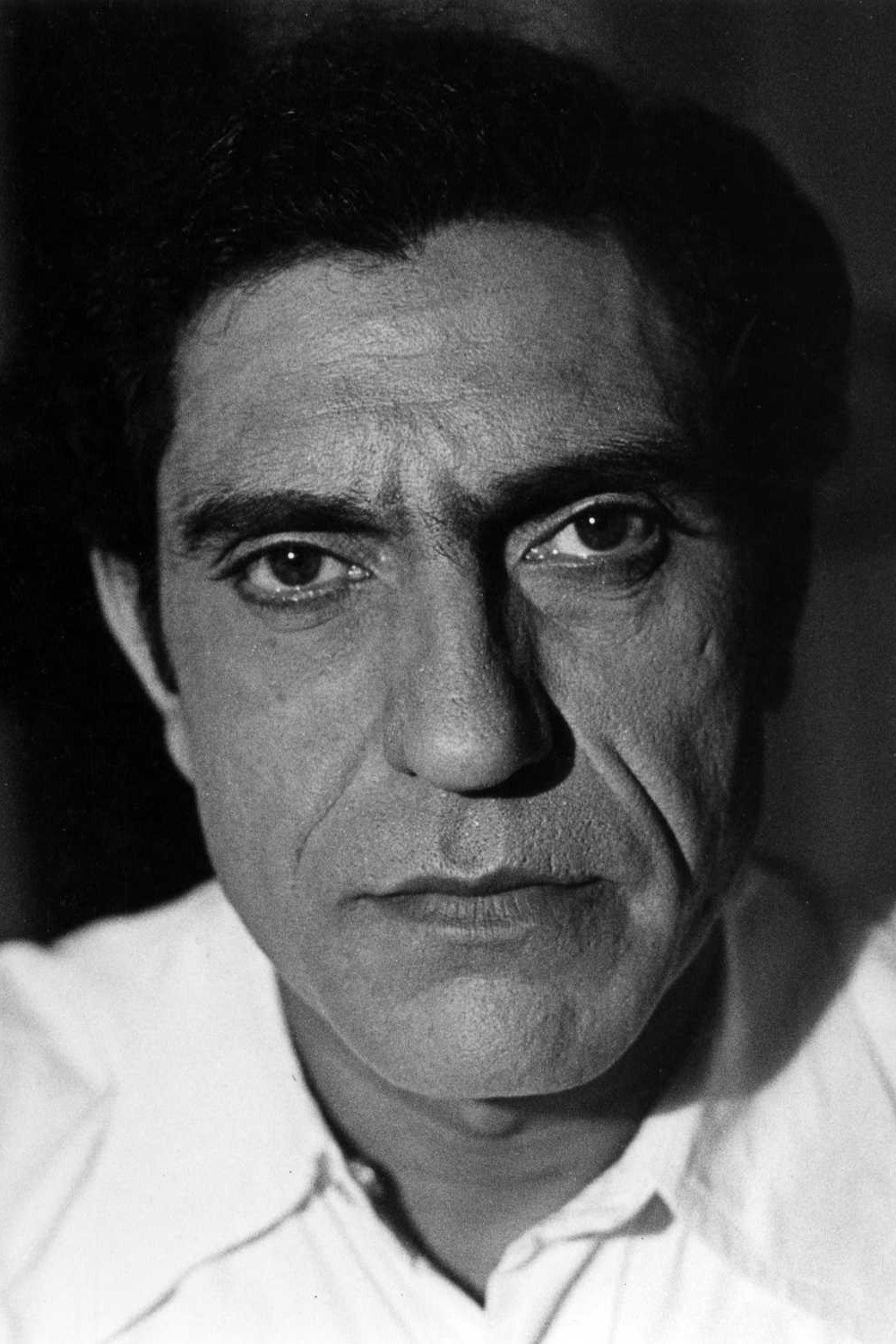
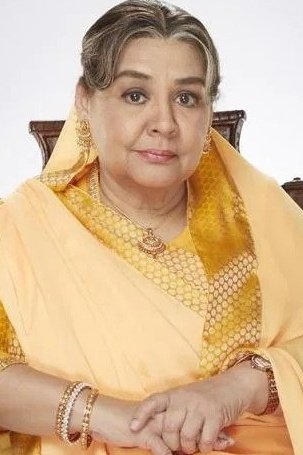
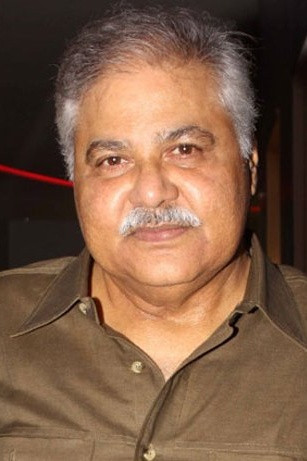
However, DDLJ isn't without its narrative indulgences. The film's 190-minute runtime, while allowing ample space for character development and musical sequences, occasionally meanders, particularly in some of the earlier European scenes. While Anupam Kher and Farida Jalal deliver endearing performances as Raj's father and Simran's mother, respectively, some supporting characters, like Pooja Ruparel's Chutki, feel somewhat underdeveloped, serving more as plot devices than fully realized individuals. Amrish Puri, as the formidable Chaudhary Baldev Singh, is a towering presence, his portrayal of a patriarch torn between tradition and his daughter's happiness being a nuanced highlight. Yet, the film's unwavering adherence to a rather idealized vision of "Indian values" might strike some contemporary viewers as overly simplistic, even if it was groundbreaking for its time.
Despite these minor quibbles, DDLJ's artistic merit is undeniable. It's a masterclass in emotional storytelling, blending comedy, drama, and romance with an almost effortless grace. The direction is assured, the performances memorable, and its influence on subsequent romantic films is immeasurable. It’s a film that, even decades later, continues to resonate, offering a timeless tale of love, family, and the courage to follow one's heart. A delightful, if occasionally lengthy, journey that truly earns its legendary status.