



Where to watch


HYPETV Review
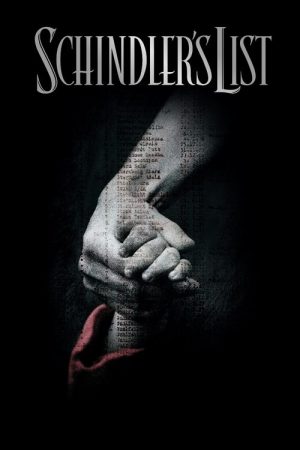
Steven Spielberg’s *Schindler’s List*, a harrowing 1993 historical drama, isn't just a film; it's a profound cinematic testament, a stark black-and-white canvas stained with the indelible horrors of the Holocaust. Clocking in at a formidable 195 minutes, its duration is less a runtime and more an immersive, unflinching pilgrimage into one of humanity's darkest chapters.
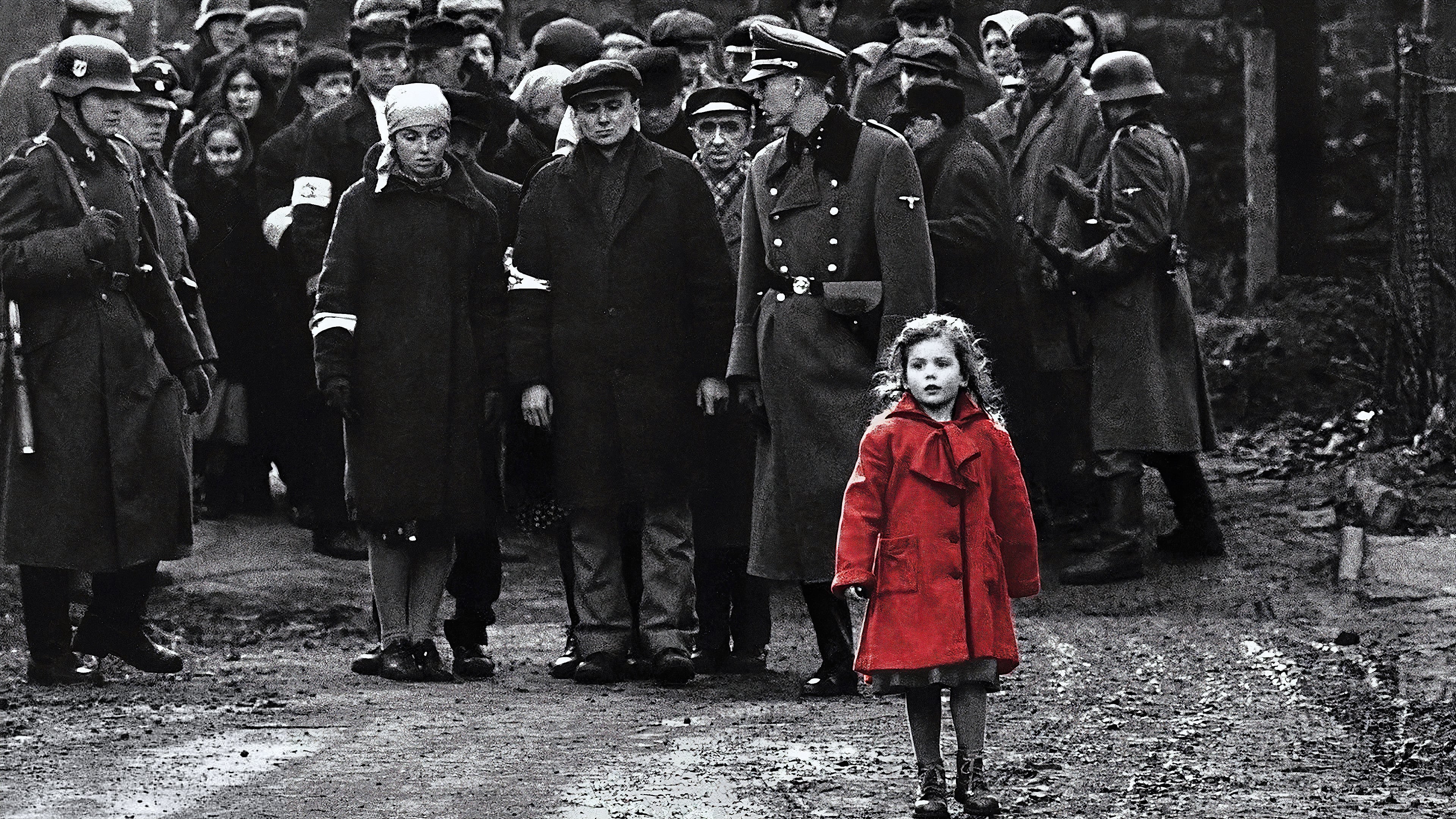
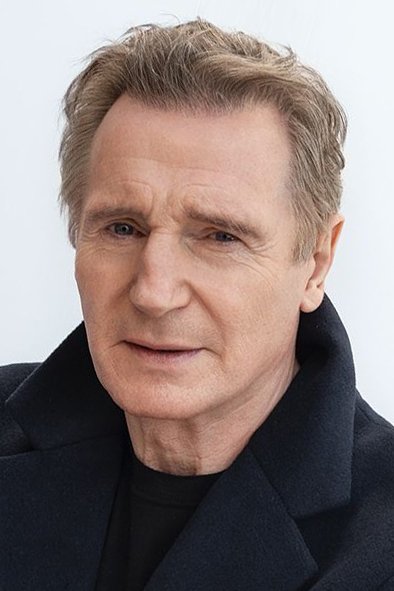
The film’s power emanates primarily from its audacious thematic core: the unlikely heroism of Oskar Schindler. Liam Neeson embodies this complex figure with a masterful blend of charming opportunism and burgeoning moral awakening. His journey from a profiteering businessman to a desperate savior of over a thousand Jewish lives is meticulously charted, forming the narrative backbone. Spielberg’s directorial choices here are inspired; the stark black and white cinematography isn't just an aesthetic flourish but a deliberate evocation of archival footage, lending an almost documentary-like authenticity that makes the atrocities depicted even more visceral. The single splash of color – the little girl in the red coat – remains a haunting, iconic symbol of lost innocence amidst the monochrome despair.
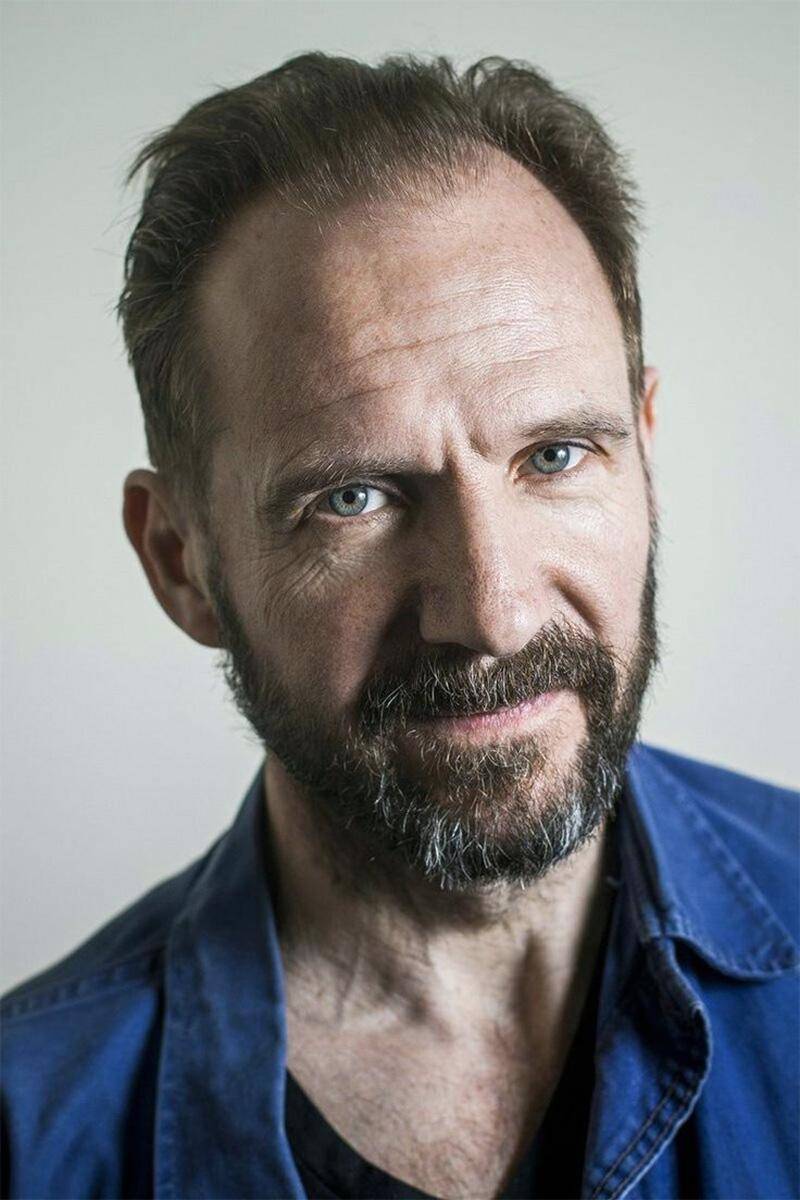
However, the film, while undeniably impactful, isn't without its narrative friction points. While Ralph Fiennes’ portrayal of Amon Goeth is chillingly effective, a genuine monster brought to life, there are moments where the sheer depravity risks becoming almost theatrical, bordering on caricature. This isn't to diminish the reality of such evil, but rather to question if its cinematic representation occasionally sacrifices nuance for shock. Furthermore, while the film rightly centers on Schindler’s transformation, the individual stories of the Jewish survivors, while present, sometimes feel secondary to his arc, a common challenge in narratives focusing on the "rescuer."
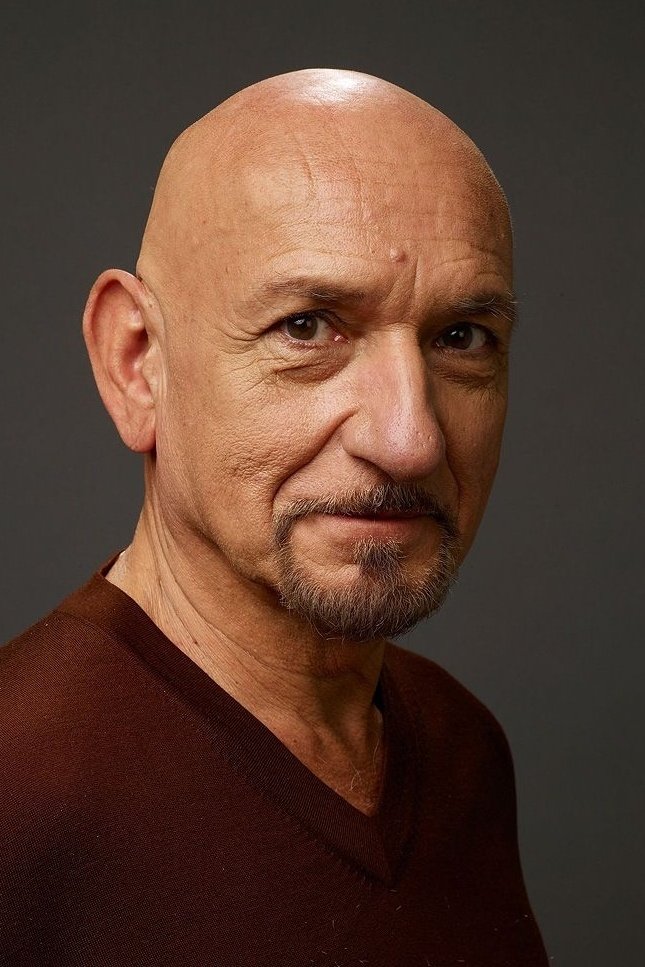
Despite these minor quibbles, *Schindler’s List* stands as an artistic triumph and an essential historical document. Its emotional weight is immense, its performances, particularly Neeson's and Ben Kingsley's as Itzhak Stern, are deeply resonant, and its message of the enduring power of humanity in the face of unimaginable evil remains profoundly relevant. It's a film that demands to be seen, not just for its historical importance, but for its masterful filmmaking and its enduring call to remember.