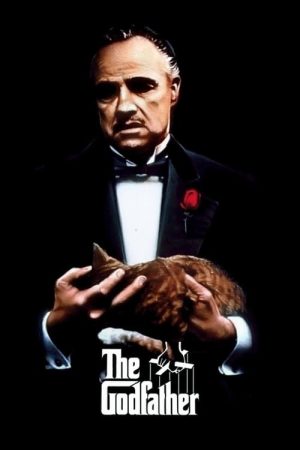
The Godfather
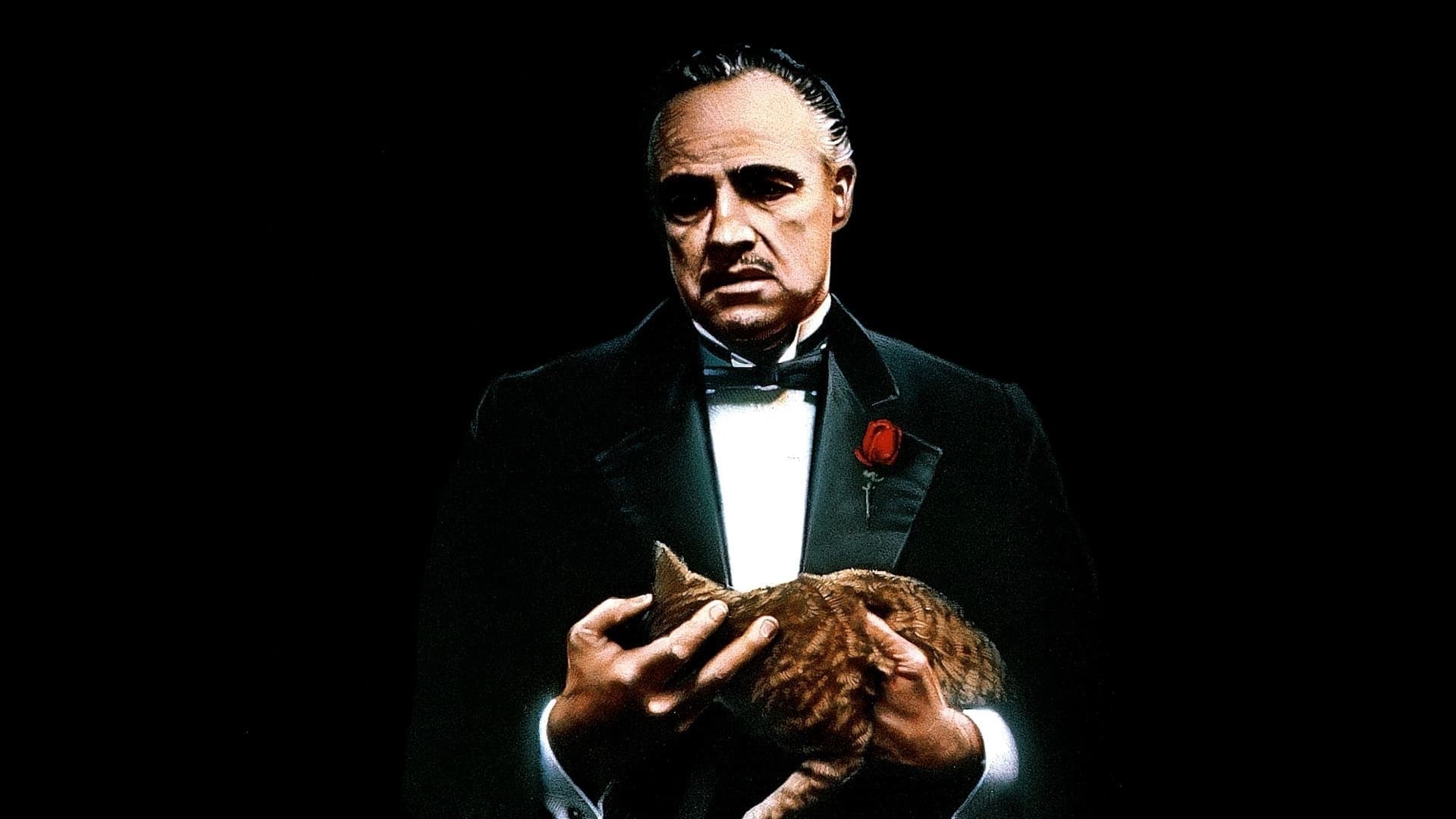
Spanning the years 1945 to 1955, a chronicle of the fictional Italian-American Corleone crime family. When organized crime family patriarch, Vito Corleone barely survives an attempt on his life, his youngest son, Michael steps in to take care of the would-be killers, launching a campaign of bloody revenge.




Where to watch


HYPETV Review
Francis Ford Coppola’s 1972 epic, *The Godfather*, remains an undeniable cornerstone of American cinema, a nearly three-hour descent into the corrosive heart of family, power, and violence. It’s a film that demands attention, not merely for its enduring cultural footprint, but for its meticulously crafted narrative and the seismic performances that define it.
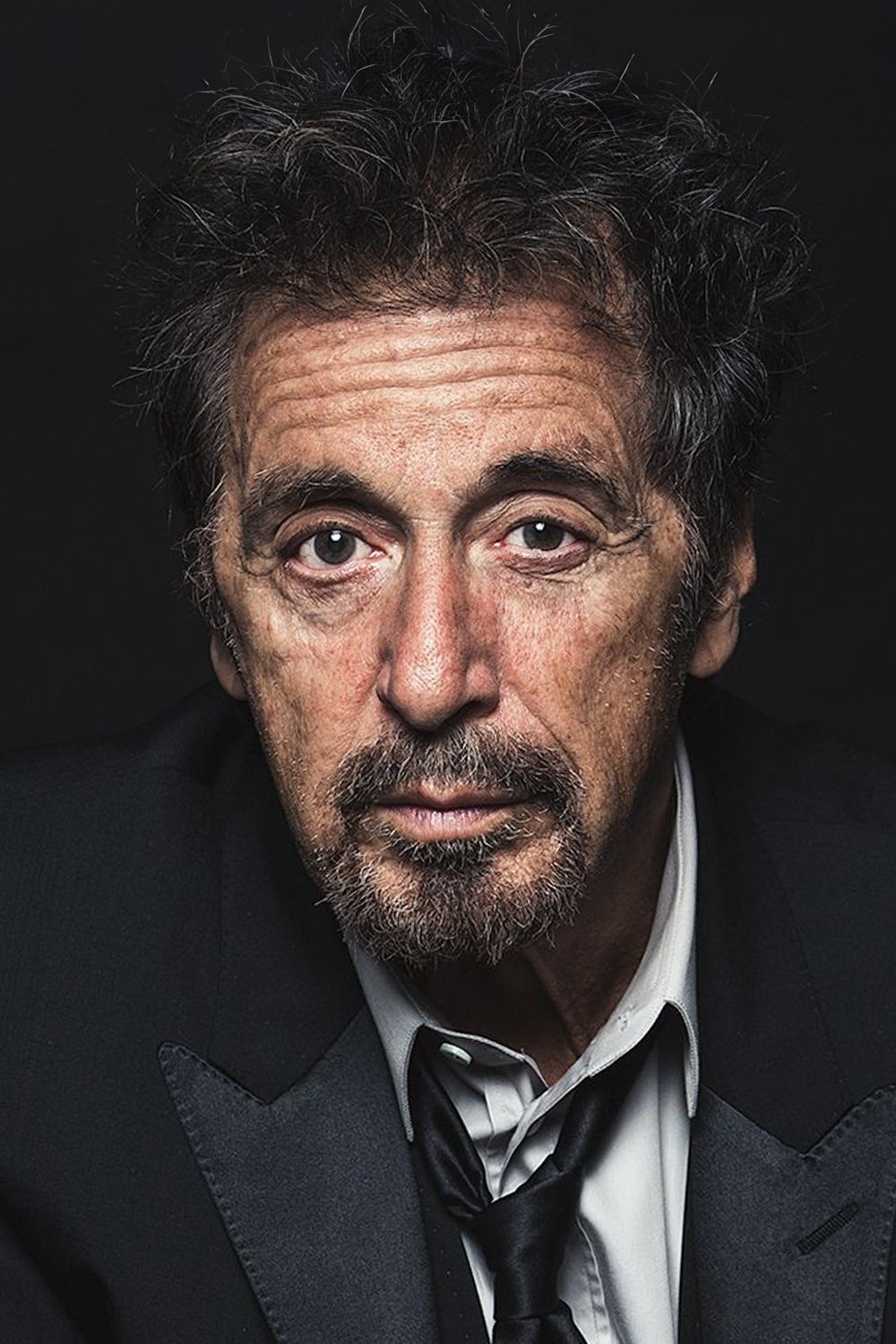
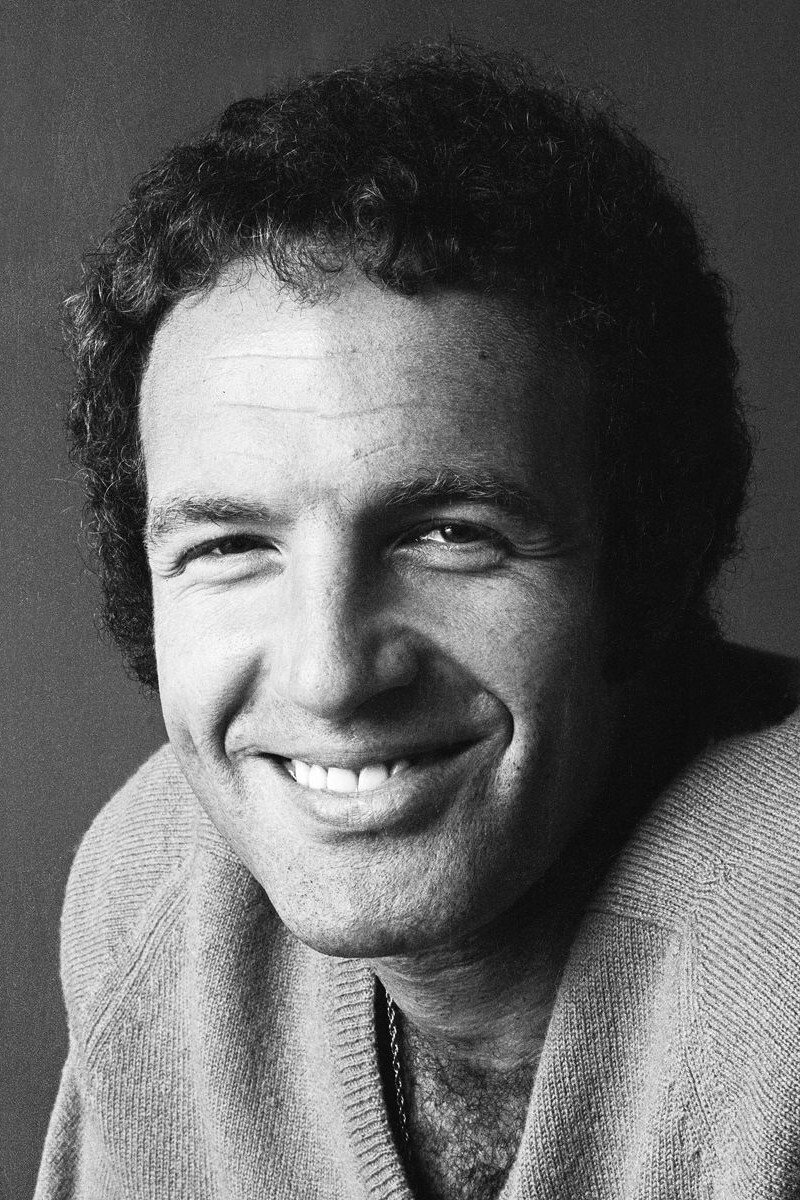
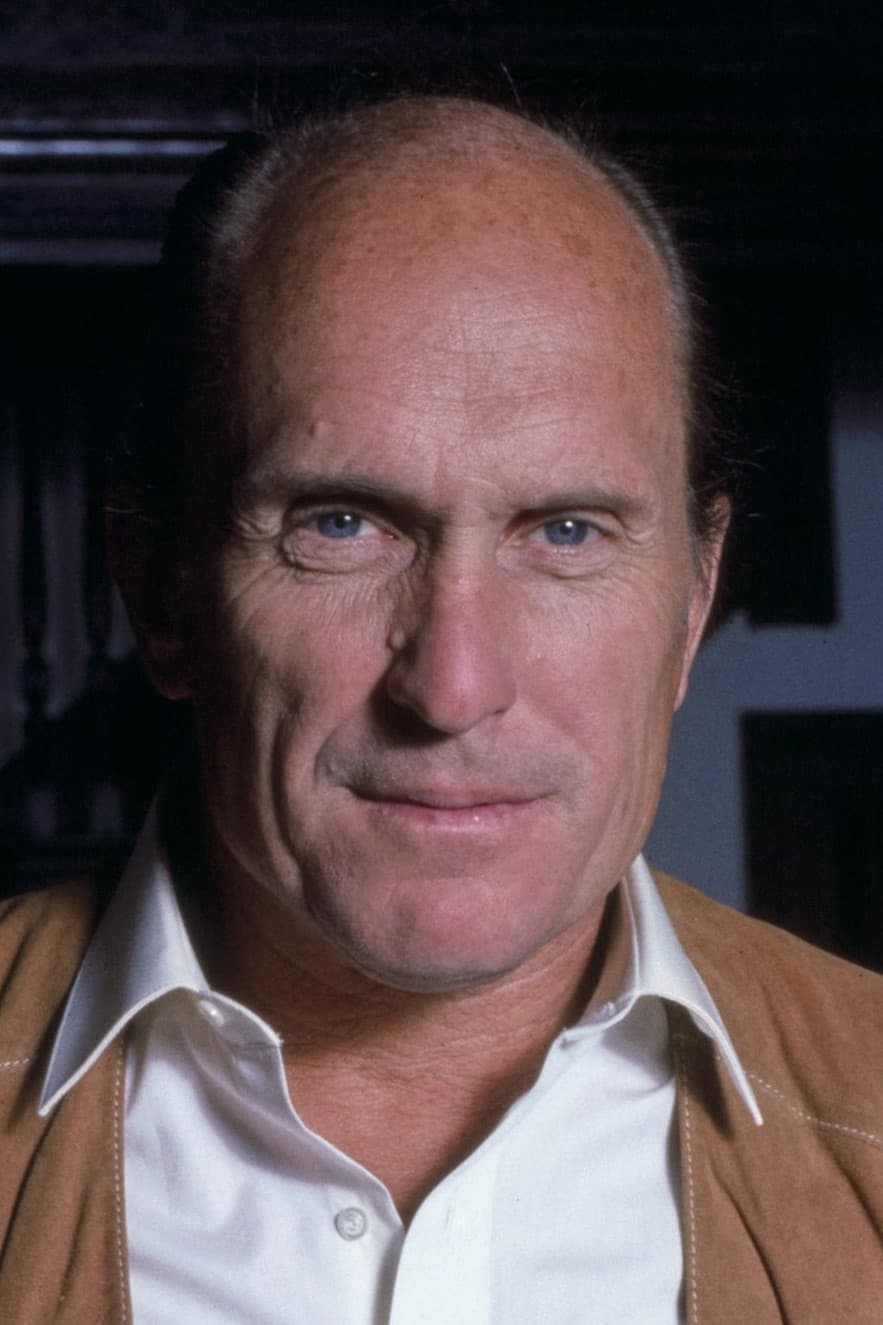
At its core, *The Godfather* is a sophisticated character study masquerading as a crime drama. The transformation of Michael Corleone, from reluctant outsider to ruthless patriarch, is the film's most compelling arc, brilliantly portrayed by Al Pacino. His journey, catalyzed by the assassination attempt on Vito (Marlon Brando, whose iconic performance as the stoic, gravel-voiced don anchors the film), is a masterclass in controlled escalation, each calculated act of "bloody revenge" further cementing his inevitable fate. Brando, in particular, elevates the material, imbuing Vito with a complex blend of tenderness and terrifying authority. The ensemble, including James Caan’s volatile Sonny and Robert Duvall’s loyal Tom Hagen, operates with a synergy that feels organic, painting a vivid portrait of a family bound by blood and business.
Coppola’s direction is nothing short of masterful. He crafts a world that is both opulent and grim, utilizing deep shadows and rich, earthy tones to evoke a sense of impending doom and moral decay. The narrative, spanning a decade from 1945 to 1955, unfolds with a stately, deliberate pace, allowing the weight of each decision and consequence to truly resonate. This methodical approach, while crucial to the film’s grandeur, occasionally verges on ponderous, particularly in its earlier stages, testing the patience of viewers accustomed to a quicker narrative thrust. Some might find the almost romanticized depiction of the Corleone family, despite their brutal actions, to be a subtle limitation, blurring the lines between condemnation and glorification.
Despite these minor quibbles, *The Godfather* is an artistic triumph. Its exploration of loyalty, betrayal, and the corrupting influence of power is timeless, resonating far beyond its genre confines. It’s a powerful, often unsettling, examination of the American dream twisted into a nightmare, an essential viewing experience that continues to provoke thought and discussion.